
 Feefo 5.0* 1000+ reviews
 UK wide delivery on all products
 Products can be fully calibrated & certified
 Service & repairs at competitive prices
 Find a better price and we will try and beat it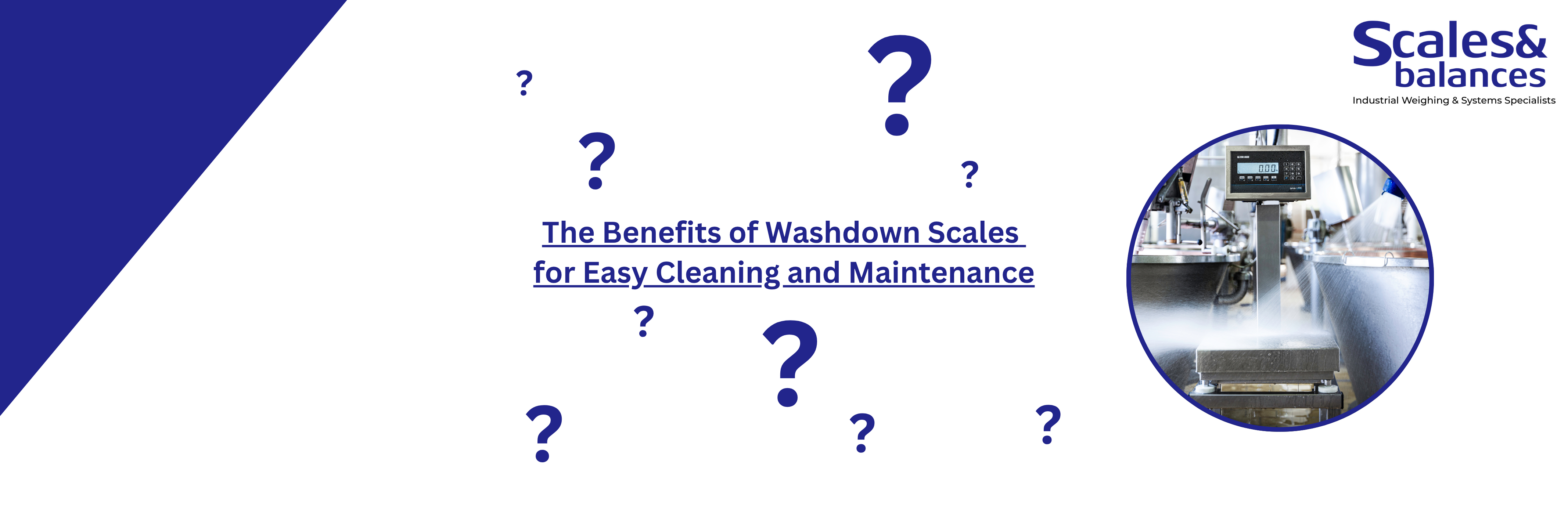
The Benefits of Washdown Scales for Easy Cleaning and Maintenance
The success of hygiene-focused production lines, as you might see in the food and drink, health care or pharmaceutical industries, depends in no small part on rigorous cleaning. Wet and washdown working areas are amongst the toughest environments we ask weighing equipment to operate in, which is why we supply specialist washdown scales.
In this introductory guide, we’ll consider the range of wet production washdown scales available, discuss their benefits and share top tips for their correct use, care and maintenance.
- What Is A Washdown Scale?
- What Types Of Washdown Scales Are Available?
- Benefits of Washdown Scales For Hygiene
- Tips For Using Washdown-Resistant Scales
- Common Mistakes To Avoid When Using Washdown Scales
- Purchasing Washdown Scales
What Is A Washdown Scale?
A washdown scale is a weighing device designed to operate reliably in wet or hygiene-sensitive environments where regular cleaning is likely to affect equipment. Unlike standard industrial scales, washdown models are built with waterproof components and corrosion-resistant materials. Surfaces are also typically designed to prevent the buildup of residue, including microbial contaminants.
Most washdown scales are constructed from stainless steel, a material chosen for its durability and resistance to moisture and cleaning chemicals. High ingress protection (IP) ratings indicate the level of protection against water. IP65, IP67 or IP69K are common to ensure internal components remain safe during hosing down and similar cleaning procedures.
Washdown scales are commonly used in food processing, pharmaceutical manufacturing, chemical production and healthcare environments. Their design allows operators to maintain high levels of hygiene by cleaning weighing equipment quickly and thoroughly without risking damaging it.
What Types Of Washdown Scales Are Available?
Washdown scales and balances are available in a variety of formats that suit different operational needs. Bench washdown scales are widely used in food preparation areas, laboratories and packaging stations. Their compact design makes them ideal for smaller weighing tasks. Platform washdown scales are designed for larger items or bulk weighing. These scales can accommodate heavy containers or pallets while maintaining hygiene standards.
Checkweighers and portion control scales are also popular in hygiene-focused industries. These specialised washdown devices help ensure consistent product and batch weights while supporting fast-paced production processes.
Selecting the right type of washdown scale depends on factors such as load size, workflow and the level of cleaning required within your facility.
Benefits of Washdown Scales For Hygiene
The smooth stainless steel surfaces associated with washdown scales reduce the risk of contamination from accumulated dirt and residue. This is particularly important in industries where cross-contamination must be avoided at all costs. Washdown scales are specifically engineered to withstand repeated exposure to water and cleaning chemicals and operate in demanding working conditions.
Because washdown scales are designed for frequent, if not constant, cleaning, production teams rarely have to remove or replace scales to maintain hygiene standards. Leaving washdown weighing equipment in situ reduces downtime and helps keep manufacturing tasks running smoothly without sacrificing cleanliness.
Tips For Using Washdown-Resistant Scales
Although washdown scales are designed with tough environments in mind, proper use in line with manufacturer specifications is still essential for long-term performance. Positioning the scale on a stable, level surface helps ensure accurate readings. Even high-IP-rated equipment has recommended limits for water exposure, too.
Routine inspections should be part of any maintenance schedule. Check for damaged cables, worn seals or buildup around moving parts that may affect performance. Regular calibration is equally important, especially in industries where accurate weight data is essential for compliance with quality standards.
Training staff to use washdown scales correctly can make a significant difference. Ensuring operators understand loading procedures, cleaning methods and basic troubleshooting helps prevent avoidable errors and prolongs the life of the equipment.
Common Mistakes To Avoid When Using Washdown Scales
Even though washdown scales are designed for challenging wet workspaces, improper use can still lead to performance issues. A common mistake is assuming that all washdown scales can withstand water without limitation. This is not the case, and it pays to check the manufacturer’s guidelines to understand promised performance before making a purchase.
In fast-paced production settings, operators may also overlook the need for regular inspection and maintenance. However, regular checks and ongoing upkeep are vital to the long-term success of washdown scales and balances. Regular calibration also ensures ongoing accuracy.
Overloading scales will damage them, as will trying to weigh items too bulky for their platforms. It is therefore advisable to ensure that production staff are trained and aware of any equipment limits.
Purchasing Washdown Scales
When choosing washdown scales, it’s particularly important to consider the specific conditions in which the equipment will operate, as well as your capacity and readability needs. Water and moisture levels, cleaning frequency, throughput speed, and available space are all essential factors to consider.
Once you understand the conditions under which you want your washdown scales to operate, it can pay to seek advice from a weighing equipment supplier. If they have a proven track record of working with manufacturing and industrial customers, they can help you choose the right washdown weighing equipment for your requirements.
By choosing the right washdown scales and maintaining them properly, businesses can create cleaner, safer, and more efficient production environments.